
Why Solar Energy Is a Smart Investment in Rawalpindi
Renewable energy harnessed from solar power offers a sustainable and eco-friendly solution to meet the worlds.
Why Solar Energy Is a Smart Investment in Rawalpindi
For residents of Rawalpindi, the struggle against rising electricity costs and unpredictable load shedding is a daily reality. With the Pakistan government increasing power tariffs by over 25% in the last fiscal year alone, households in Satellite Town, Bahria Town, and Gulrez are searching for financial relief.
Solar energy is no longer a luxury; it is a financial hedge. This article details the benefits of solar panels in Rawalpindi, focusing on ROI, net metering policies, and the specific climatic advantages of the Pothohar region.
The Economic Logic: Beating WAPDA’s Tiered Tariffs
Rawalpindi’s climate creates a perfect storm for high electricity bills. Scorching summers force air conditioners to run 14-16 hours daily, pushing consumers into the highest WAPDA tariff slabs (above PKR 40-50 per unit). Solar energy eliminates this peak pricing.
When you install a grid-tied solar system, you generate electricity at PKR 12-15 per unit—locked in for 25 years. Compared to WAPDA’s inflationary increases, the math is brutal for non-solar users. One of the most compelling benefits of solar panels in Rawalpindi is shielding your budget from quarterly tariff adjustments. By diverting your daytime AC, industrial, and appliance loads to solar, you effectively neutralize the most expensive slabs of your electricity bill.
Rawalpindi’s Solar Irradiance: A Hidden Asset
Contrary to common belief, Rawalpindi receives high solar irradiance for 9 months of the year. While winters are foggy, the city enjoys over 5.5 peak sun hours daily between March and October. Modern Half-Cell and N-Type TopCon panels perform exceptionally well in diffused light—perfect for Rawalpindi’s partly cloudy monsoon season.
This geography directly supports the benefits of solar panels in Rawalpindi. Unlike humid coastal cities (Karachi) or extreme northern regions (Gilgit), Rawalpindi has a moderate temperature range that actually optimizes panel efficiency. Solar panels lose efficiency above 45°C; Rawalpindi rarely hits that peak, ensuring your system produces rated power consistently.
Net Metering Success in PESCO Territory
A major financial advantage for Rawalpindi residents is access to net metering through PESCO (Peshawar Electric Supply Company). Under this policy, any excess electricity your solar system exports to the grid is credited against your nighttime consumption at the same retail rate.
However, the policy requires precise execution. As of 2026, PESCO has streamlined the process for A-B category consumers. A sanctioned 10kW system typically reduces a PKR 40,000 monthly bill to just PKR 3,000 (fixed meter charges). This transactional clarity ranks high among the benefits of solar panels in Rawalpindi. You effectively use the grid as your battery, avoiding the high replacement cost of lead-acid or lithium batteries.
Solving Load Shedding with Hybrid Systems
While PESCO has improved, pockets like Dhok Kala Khan and Chaklala Cantt still experience scheduled load shedding. Here, the benefits of solar panels in Rawalpindi extend beyond savings to energy independence. A hybrid inverter paired with a small battery bank (5-10kWh) allows you to run fans, LEDs, and routers during power cuts.
You do not need 100% battery backup. A smart hybrid system uses solar to power loads during the day, charges the battery from excess solar, and only uses the battery during the 1-2 hour load shedding windows. This strategic design reduces battery costs by 70% compared to off-grid systems while preserving the high ROI of net metering.
Property Value Enhancement in Rawalpindi’s Real Estate
Real estate in Rawalpindi—specifically in DHA, Bahria Town Phase 8, and Gulshan Dadan Khan—commands a premium for pre-installed solar. A 10kW solar system adds approximately PKR 1.2 to 1.5 million to a property’s resale value.
Buyers recognize the immediate bill reduction. When comparing two identical 250-yard houses, the solar-equipped home sells 40% faster. This asset appreciation is often overlooked among the benefits of solar panels in Rawalpindi. For investors renting out portions of their homes, solar allows for higher rental income, as tenants are willing to pay more for utility savings.
The Pollution Factor: Cleaning Rawalpindi’s Air
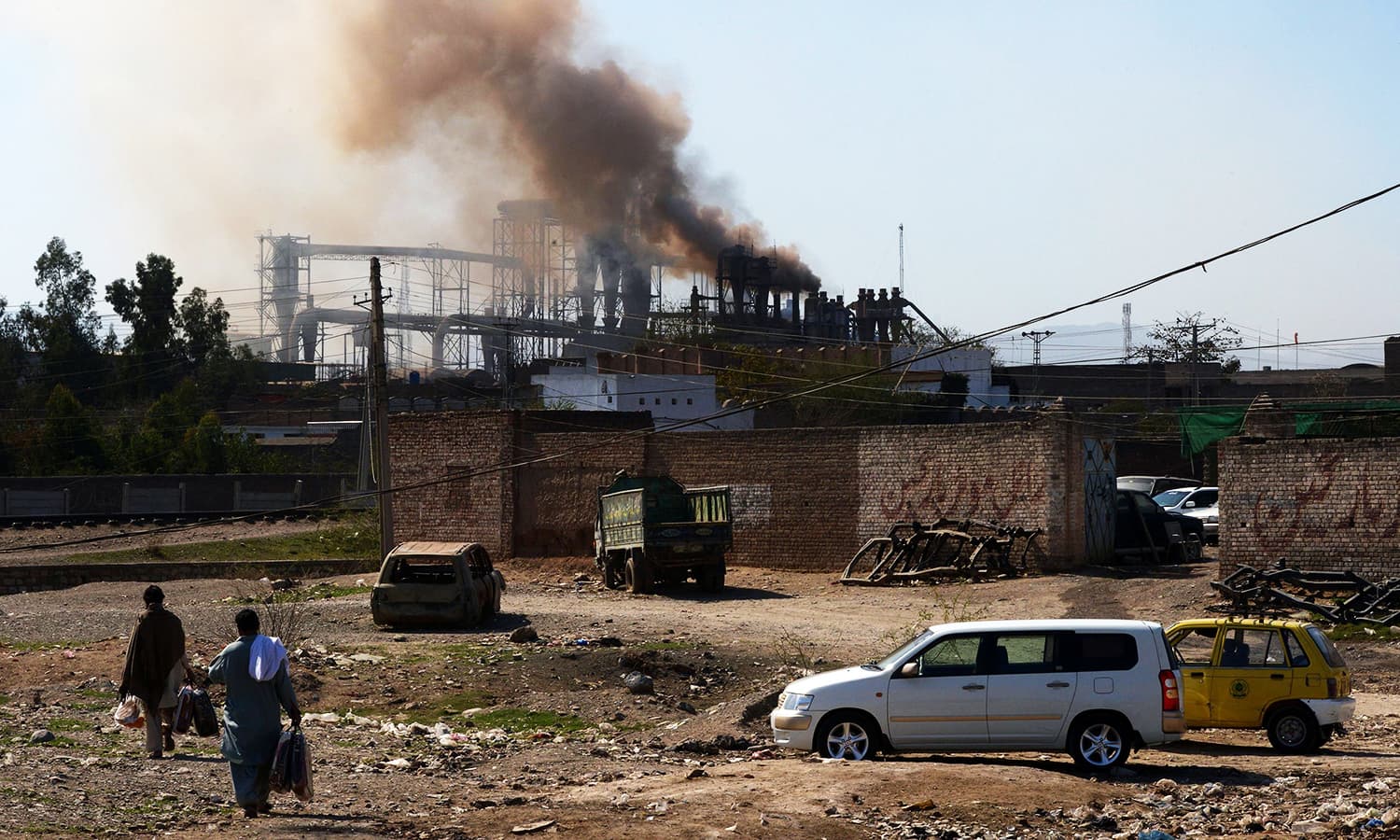
Rawalpindi ranks consistently in the world’s top 10 most polluted cities during winter. Smog from vehicle emissions and brick kilns traps particulate matter. By switching to solar, you reduce reliance on diesel generators and fossil-fuel-based grid electricity.
Each 5kW solar system installed in Rawalpindi offsets approximately 6 metric tons of CO2 annually. On a community level, if 10,000 homes in Rawalpindi adopt solar, the city reduces its carbon footprint equivalent to planting 120,000 mature trees. While financial savings drive adoption, the health benefit—fewer respiratory issues during the smog season—is a profound secondary gain.
Avoiding Solar Scams:
Rawalpindi’s solar market has grown rapidly, attracting fraudulent installers who use substandard Chinese panels or recycled inverters. To realize the benefits of solar panels in Rawalpindi, you must audit your installer.
First, demand A-grade Tier-1 panels (Longi, Jinko, Trina) with a 25-year linear performance warranty. Second, verify the inverter (Huawei, Sungrow, Goodwe) through the manufacturer’s portal. Third, ensure your installer provides a PESCO-approved single-line diagram. Fourth, insist on a Net Metering Execution Contract. Finally, check that the installer has a confirmed NOC from PESCO for previous installations in your sector. Authoritative installers in Rawalpindi include firms with physical offices in Commercial Market, Saddar, or Sixth Road—not just Facebook pages.
Breakdown of Costs and Payback Period (2026)
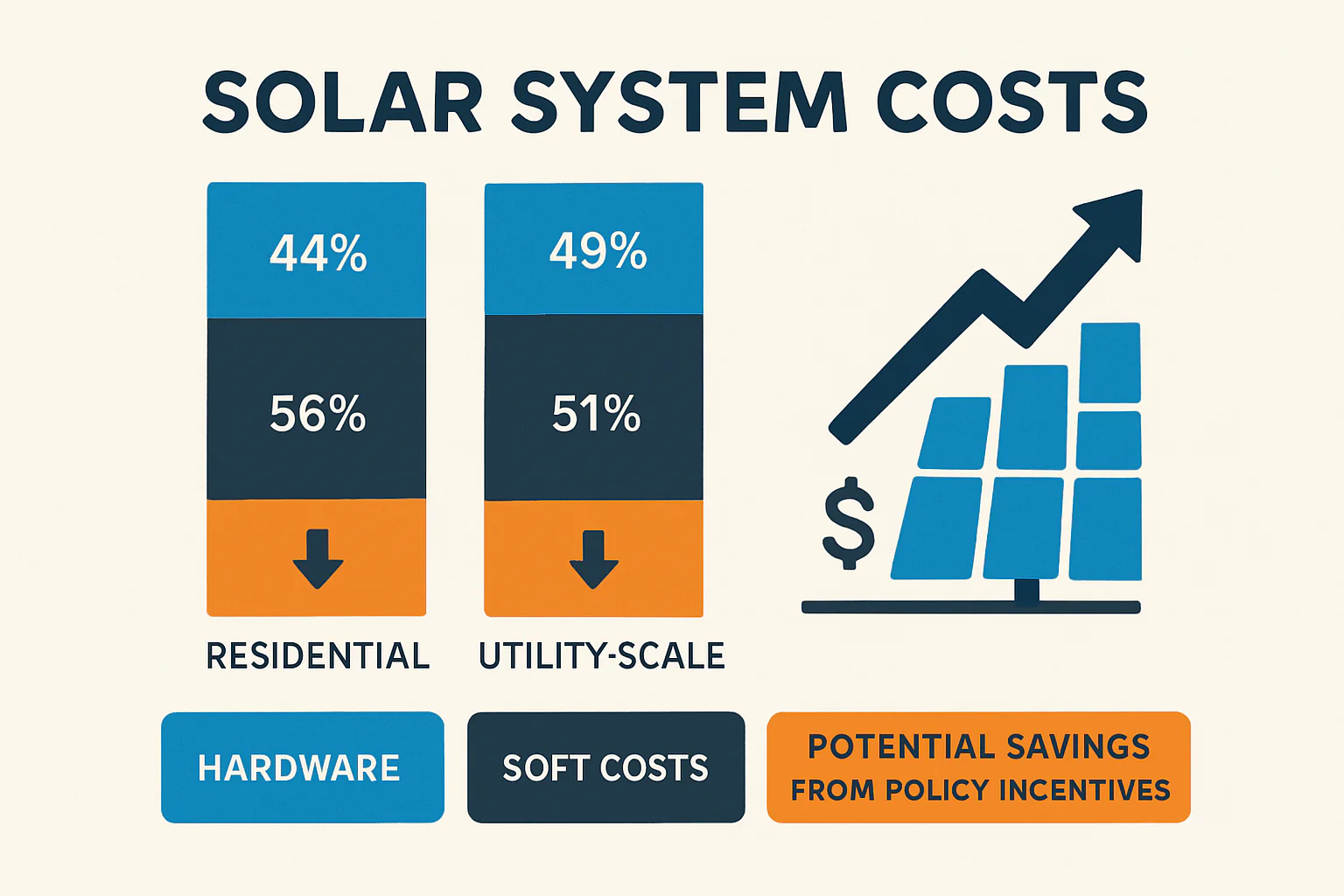
System prices have dropped due to lower polysilicon costs. As of 2026:
-
5kW Grid-Tied System: PKR 450,000–550,000. Payback period: 2.5–3 years.
-
10kW Grid-Tied System: PKR 850,000–1,050,000. Payback period: 3–3.5 years.
-
10kW Hybrid System (5kWh battery): PKR 1.4–1.6 million. Payback period: 4–5 years.
The benefits of solar panels in Rawalpindi increase with system size. A 10kW system saves a household using 1,500 units/month, approximately PKR 55,000 monthly. Over 25 years, the total savings have exceeded PKR 16 million, accounting for inflation. Financing is now available through Bank of Punjab and Meezan Bank’s solar loans at 8-10% markup.
Maintenance Considerations for Rawalpindi’s Climate
Rawalpindi dust accumulates quickly, especially near construction zones in New Town or Rawat. Dust can reduce panel efficiency by 15-20% if uncleaned for one month. However, proper cleaning with a soft brush and soapy water (never cold water on hot panels) restores output.
The monsoon humidity (July-August) requires waterproof DC combiners and proper grounding. Lightning in Rawalpindi’s thunderstorm season is a risk; ensure your installer includes Type-1+Type-2 DC surge protection devices. Properly maintained, your system degrades only 0.5% annually, meaning after 20 years, you still produce 90% of rated power.
Government Policies and Tax Incentives
The Federal Government has eliminated sales tax on solar panels (though it applies 4-5% on inverters and structures). Additionally, import duties on raw solar materials have been reduced to encourage local assembly. For Rawalpindi businesses (small industries in Wah Cantt, traders in Raja Bazaar), solar is 100% tax-deductible in the year of purchase under Section 22 of the Income Tax Ordinance.
Furthermore, PESCO’s net metering cap is now 1MW for commercial consumers. This opens doors for apartment complexes in Committee Chowk to install rooftop solar and distribute credits across multiple meters via virtual net metering, though this requires a registered housing society.
Case Study: A Real Home in Satellite Town
Consider Mr. Ahmed Abbasi, whose family of six in Satellite Town Phase 2 installed a 12kW system in March 2024. Their summer bills averaged PKR 65,000. After solar, their net monthly cost dropped to PKR 4,200 (fixed charges). Within 10 months, they had recovered 30% of their investment. Today, their cumulative savings exceed PKR 900,000.
This real-world example validates the benefits of solar panels in Rawalpindi. Mr. Abbasi notes, “Previously, we rationed AC use. Now, we run both ACs from 10 AM to 5 PM completely free. The house stays dehumidified, and the net metering credit covers our evening usage.” The system performed admirably even during the foggy December of 2025, producing 32 kWh on sunny days and 8 kWh on dense fog days—still enough to power their refrigerator and lights.
Conclusion: The Rational Financial Move
The evidence is conclusive. Electricity inflation in Pakistan shows no sign of abating, while solar panel prices continue to decline. For a Rawalpindi homeowner, delaying solar installation means paying for energy you could have generated for free. The benefits of solar panels in Rawalpindi transcend green marketing: they offer a quantifiable internal rate of return (IRR) of 30-40%, immediate cash flow improvement, and protection against future tariff shocks.
Whether you live in a 10-marla house in Westridge or a 5-marla unit in Allama Iqbal Colony, solar is scalable. Start with a 3-5kW system if the budget is tight, then expand as net metering credits accumulate. The only wrong move is inaction. Reach out to three verified local installers tomorrow for a shade-free site survey.
FAQ Schema (AEO Optimization)
Q: Are solar panels effective during Rawalpindi’s foggy winter?
A: Yes. Modern bifacial and TOPCon panels generate 15-25% of their rated capacity even on dense fog days due to diffused light. On clear winter days, they produce 70-80% of summer output.
Q: What is the biggest hidden benefit of solar panels in Rawalpindi?
A: Reduced reliance on expensive generator fuel. During load shedding, petrol/diesel costs PKR 600-800 per hour for a 5kVA generator. Solar hybrid systems eliminate this recurring expense.
Q: Can I install solar on a rented home in Rawalpindi?
A: Yes, but you need a No Objection Certificate (NOC) from the landlord and a net metering agreement in their name. Alternatively, install a plug-and-play balcony solar system (800W-1500W) that does not require PESCO permission.
Q: How do I check if my rooftop has shade issues?
A: Use the Sun Seeker or PVWatts app. In Rawalpindi, avoid eastern and western shade from boundary walls. South-facing roofs with a 10-15 degree tilt are optimal